
When grinding hard concrete, choosing the right diamond bond can make a noticeable difference in cutting performance and tool wear. In most cases, soft bond diamond tools are the preferred choice for hard concrete, while hard bond tools are generally better suited to softer concrete. The reason comes down to how the metal matrix wears during grinding. The bond must wear at a suitable rate to expose fresh diamond particles as the existing ones become dull. If the bond wears too slowly, the diamonds can remain trapped in the matrix, causing the tool to lose its cutting ability.
Soft bond diamond tools are designed to wear more readily when grinding dense, hard concrete. This helps expose new diamond particles and maintain an effective grinding action. With a suitable bond and grit combination, contractors can reduce the risk of glazing, which occurs when the tool stops cutting efficiently and begins to rub against the concrete. If a tool is glazing, changing to a softer bond may help, although diamond grit, segment design, machine settings, and the concrete itself should also be checked before making a final decision.
Hard bond diamond tools work differently. Their metal matrix resists wear, making them better suited to softer or more abrasive concrete, where the bond may otherwise wear away too quickly. On hard concrete, a hard bond can wear too slowly to expose fresh diamonds, reducing grinding efficiency. However, bond selection is not determined by concrete hardness alone. Aggregate type and abrasiveness, the condition of the floor, the grinder’s operating characteristics, and the required removal rate can all influence which tooling performs best.
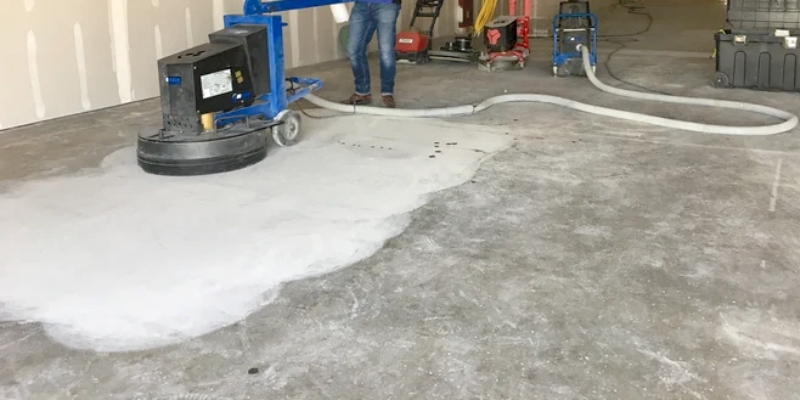
When selecting diamond grinding tools for concrete, contractors should evaluate both the bond and the diamond grit. A softer bond does not automatically guarantee better results if the grit or segment design is unsuitable for the application. If the diamonds appear polished or the tool struggles to remove material, the bond may be too hard for the concrete. If the segments wear down unusually quickly, the bond may be too soft for the floor conditions. Checking the wear pattern during grinding provides useful evidence for adjusting the tooling rather than relying on concrete hardness labels alone.
For contractors working on especially hard concrete, starting with a suitable soft bond is generally a sensible approach, by adjustments based on actual grinding performance. TransGrind offers diamond tooling for different floor grinder systems, including the Husqvarna Redi Lock diamond grinding tool, Lavina grinder diamond grinding shoes, and Scanmaskin diamond tools. Available options include different bond formulations and segment designs to suit concrete grinding and surface preparation requirements. Matching the bond to the concrete, while accounting for aggregate abrasiveness and machine conditions, helps maintain effective diamond exposure and avoid unnecessary tool wear or interruptions during the job.

 IPv6 obsługiwana sieć
 English
 français
 Deutsch
 русский
 italiano
 español
 português
 العربية
 日本語
日本語 Polski
 中文
中文